
Get Fire Mitigation in Bannock County, ID
Fire mitigation services for Bannock County property owners include wildfire risk assessments, defensible space creation, brush clearance, fire-resistant landscaping, and firebreak installation.
Fire mitigation services are essential for property owners in Bannock County, ID, seeking to protect their homes and businesses from the threat of wildfires. With the region's proximity to forested areas and dry seasons, taking proactive steps can reduce the risk of fire damage and enhance safety. Exploring professional fire mitigation options ensures that properties are better prepared to withstand wildfire threats, making it a practical consideration for residents and property managers alike.
Continuing with fire mitigation efforts can help minimize potential losses and maintain community safety. Local service providers offer a range of solutions tailored to the specific needs of Bannock County properties. Keep reading to learn more about how professional fire mitigation services can support property protection and fire preparedness in the area.
- Fire risk reduction services are essential for properties in areas prone to wildfires or nearby fire-prone landscapes.
- Fire suppression system installation and maintenance are needed when establishing or upgrading fire safety measures in commercial or residential buildings.
- Wildfire mitigation services are useful for properties in rural or wooded regions seeking to minimize wildfire damage.
- Emergency fire response planning can benefit communities and property owners preparing for potential fire incidents.
- Fire prevention assessments help identify vulnerabilities and improve safety measures in high-risk areas.
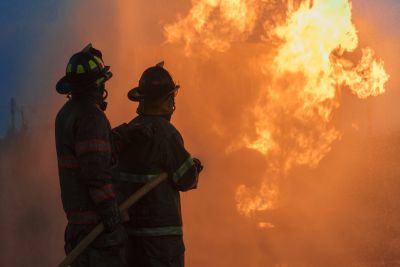
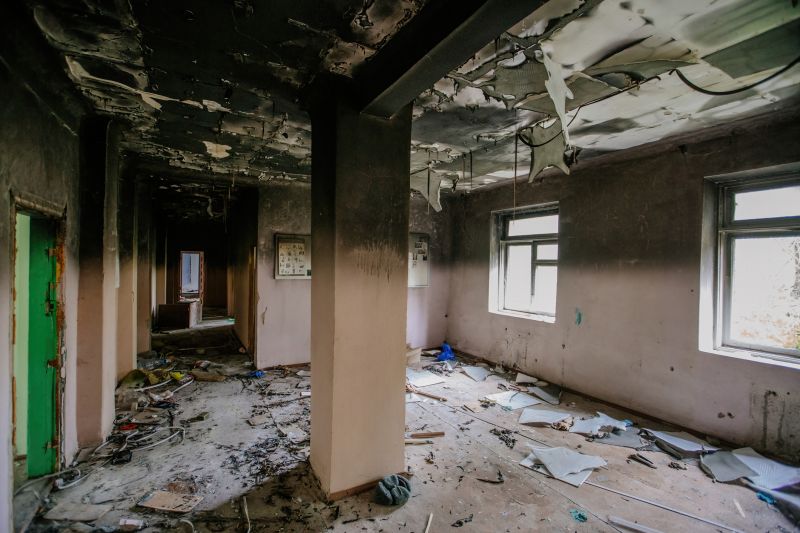
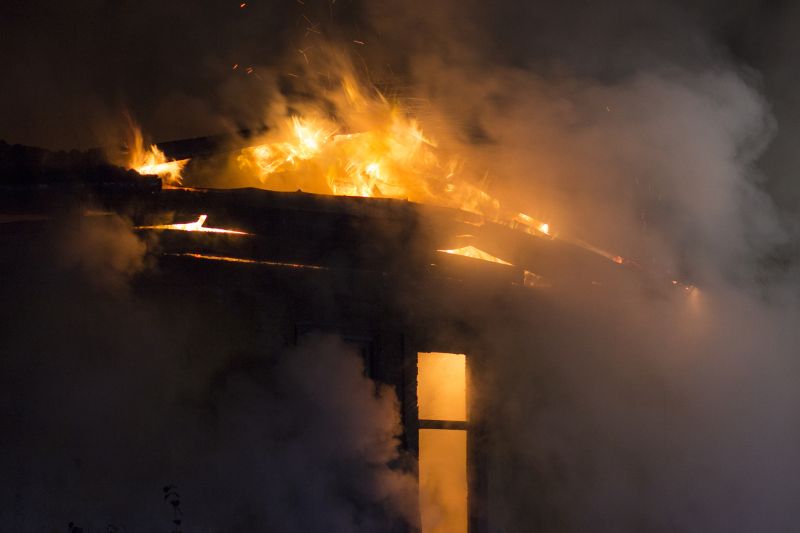
Fire mitigation services encompass a range of strategies and installations designed to reduce the risk of fire spreading within a property. These services often include the installation of fire-resistant barriers, defensible space creation, and the application of fire-retardant treatments to structures and surrounding vegetation. The goal is to make properties less vulnerable to ignition and to slow the spread of flames, providing additional time for evacuation and firefighting efforts. By implementing these measures, property owners can enhance safety and potentially minimize damage caused by wildfires or accidental fires.
These services address common problems associated with fire hazards, such as unchecked flames, rapid fire spread, and heat accumulation around properties. Structures located in fire-prone areas, especially near forests, grasslands, or areas with dense vegetation, are particularly susceptible to wildfire damage. Fire mitigation helps to reduce the likelihood of ignition from nearby natural elements or accidental sources, and it can also limit the intensity of a fire should one occur. This proactive approach is essential for protecting both property and life, especially in regions where wildfires are a recurring threat.
Properties that typically utilize fire mitigation services include residential homes, commercial buildings, farms, and public facilities situated in or near wildfire-prone zones. Rural properties with extensive land or natural vegetation are often prioritized for mitigation efforts. Additionally, properties with valuable assets or historic structures may seek these services to safeguard their investments. In many cases, local regulations or insurance requirements encourage property owners to adopt fire mitigation measures to reduce potential liabilities and improve resilience against fire-related incidents.
Partnering with local fire mitigation service providers can help property owners develop customized strategies tailored to their specific needs and risk levels. These professionals assess the property’s vulnerabilities, recommend appropriate solutions, and implement measures to reduce fire hazards. Engaging with experienced local pros ensures that mitigation efforts are suited to the regional landscape and fire risk factors, helping to create safer environments for communities and properties in fire-prone areas.
The overview below groups typical Fire Mitigation projects into broad ranges so you can see how smaller, mid-sized, and larger jobs often compare in Bannock County, ID.
In many markets, a large share of routine jobs stays in the lower and middle ranges, while only a smaller percentage of projects moves into the highest bands when the work is more complex or site conditions are harder than average.
Initial Assessment - The cost for a fire risk assessment typically ranges from $200 to $800, depending on property size and complexity. Larger properties or detailed evaluations may cost more. Local pros can provide tailored estimates based on specific needs.
Vegetation Management - Clearing and managing vegetation around a property can cost between $500 and $2,500. The scope of work, such as tree removal or brush clearing, influences the final price. Prices vary based on property size and vegetation density.
Defensible Space Creation - Creating defensible space by removing combustible materials generally costs $1,000 to $4,000. This includes clearing brush, thinning trees, and other landscaping modifications. Local service providers can offer detailed quotes based on property requirements.
Fire-Resistant Landscaping - Installing fire-resistant plants and materials can range from $1,500 to $5,000. The cost depends on the size of the landscaped area and chosen materials. Contractors can help design and implement effective fire mitigation landscapes.
Actual totals will depend on details like access to the work area, the scope of the project, and the materials selected, so use these as general starting points rather than exact figures.
Fire Risk Assessment - Local fire mitigation professionals evaluate properties to identify potential fire hazards and recommend appropriate mitigation measures.
Vegetation Management - Service providers assist with clearing brush, trees, and other combustible materials to reduce fire fuel around properties.
Defensible Space Creation - Experts help establish defensible zones by removing flammable vegetation and creating barriers to slow fire spread.
Firebreak Installation - Local contractors design and implement firebreaks to interrupt fire paths and protect structures from wildfires.
Emergency Access Planning - Service providers develop access routes and strategies to ensure quick emergency response during a fire event.
Fire-Resistant Landscaping - Professionals advise on planting choices and landscape modifications to minimize fire risk around homes and buildings.
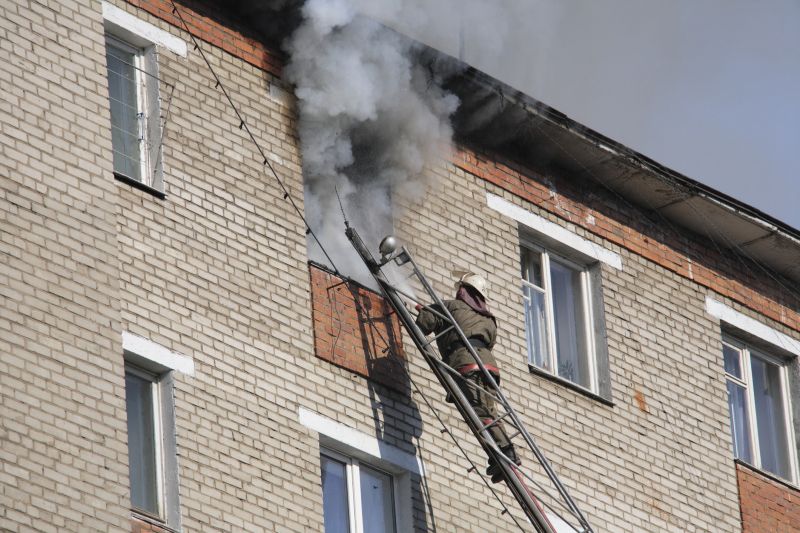
Fire mitigation services require careful evaluation of local contractors to ensure the homeowner’s needs are met effectively. Experience is a key factor, as it reflects a contractor’s familiarity with various fire risk scenarios and mitigation techniques specific to the area. Homeowners should review the history of the service providers, including how long they have been operating locally and their track record with similar projects. Clear, written expectations are also essential; prospective clients should seek detailed descriptions of the scope of work, materials used, and specific procedures to ensure transparency and understanding before committing to a provider.
Reputable references can provide valuable insight into the reliability and quality of a fire mitigation contractor’s work. Homeowners are encouraged to ask for and verify references from past clients, especially those with similar property types or risk factors. This helps to gauge the contractor’s ability to deliver consistent results and maintain professionalism throughout the project. Communication is equally important, as it ensures that questions are addressed promptly and that the homeowner remains informed about project progress and any potential issues that may arise.
It is important to recognize that the site introduces local options for fire mitigation services but does not perform the work itself. Instead, it acts as a neutral resource connecting homeowners with qualified local service providers. Homeowners should take the time to compare multiple local pros, considering their experience, references, and communication style, to select the best partner for their fire risk reduction needs. This approach helps ensure that the chosen contractor aligns with the homeowner’s expectations and project requirements.
Property owners in Bannock County, ID use Fire Mitigation services for practical projects around their homes and businesses. This guide focuses on everyday jobs and straightforward project options.
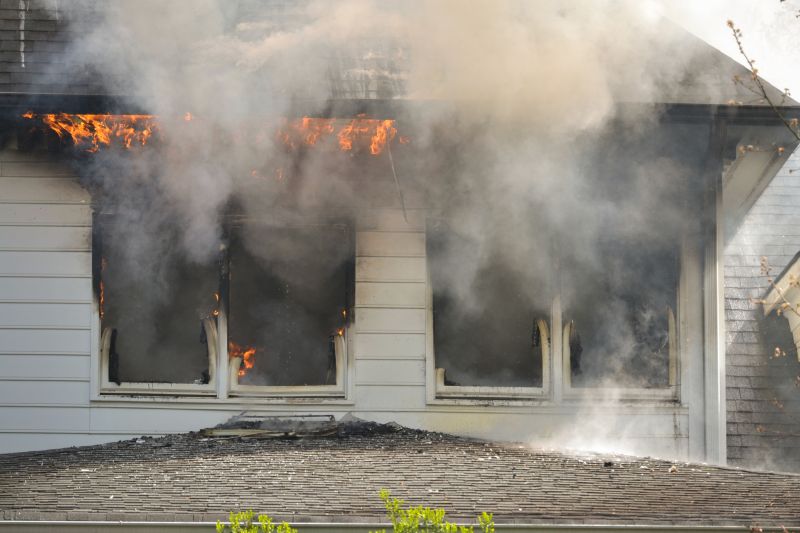
Fire mitigation services are often sought by property owners in Bannock County, ID, who want to reduce the risk of wildfire damage. This can include clearing overgrown vegetation, creating defensible space around structures, and removing dead or dry brush that could serve as fuel during a fire. Homeowners and landowners may look for local service providers to help with these tasks, especially in areas prone to wildfires or during periods of increased fire danger.
Additionally, property owners may seek fire mitigation work to meet local regulations or insurance requirements. Properly maintained landscapes and defensible zones can be important for protecting homes and properties from wildfire threats. Local contractors and specialists can assist with assessments and recommend appropriate measures to enhance fire safety, providing peace of mind for residents and landholders in Bannock County.
What are fire mitigation services? Fire mitigation services involve assessing and reducing fire risks through measures such as creating defensible space, removing combustible materials, and implementing fire-resistant landscaping to protect properties from wildfires.
How can fire mitigation help protect my property? Fire mitigation can lower the risk of fire damage by reducing fuel sources and improving defensibility, making properties less vulnerable to wildfires and increasing safety for occupants.
What types of fire mitigation services are available locally? Local service providers offer various options including vegetation management, firebreak creation, hazard assessments, and the installation of fire-resistant barriers or materials.
Is fire mitigation a one-time service or ongoing? Many fire mitigation measures require periodic maintenance and assessment to ensure continued effectiveness, especially in areas prone to fire season changes.
How do I find local fire mitigation professionals? To connect with qualified local fire mitigation contractors, consider reaching out to service providers in your area who specialize in wildfire risk reduction and property protection.
Vegetation Management - Local professionals can assess and clear overgrown trees, shrubs, and dry brush that pose fire risks around properties.
Defensible Space Creation - Experts can help design and implement defensible zones by removing combustible materials near structures.
Firebreak Installation - Service providers can establish firebreaks in strategic locations to slow or stop the spread of wildfires.
Emergency Access Planning - Local contractors can advise on creating clear pathways to ensure quick access for emergency responders.
If you are thinking about Fire Mitigation for a property in Bannock County, ID, this guide is meant to help you understand the work, the typical project types, and how different options might fit your plans.
When you are ready, you can use the quote form on this page to share a few details about your project. From there, local pros can review the basics and respond with options that match what you have in mind.